 01
01Virtual Humans · Agents · Social Interaction
Intelligent Agents & Social XR
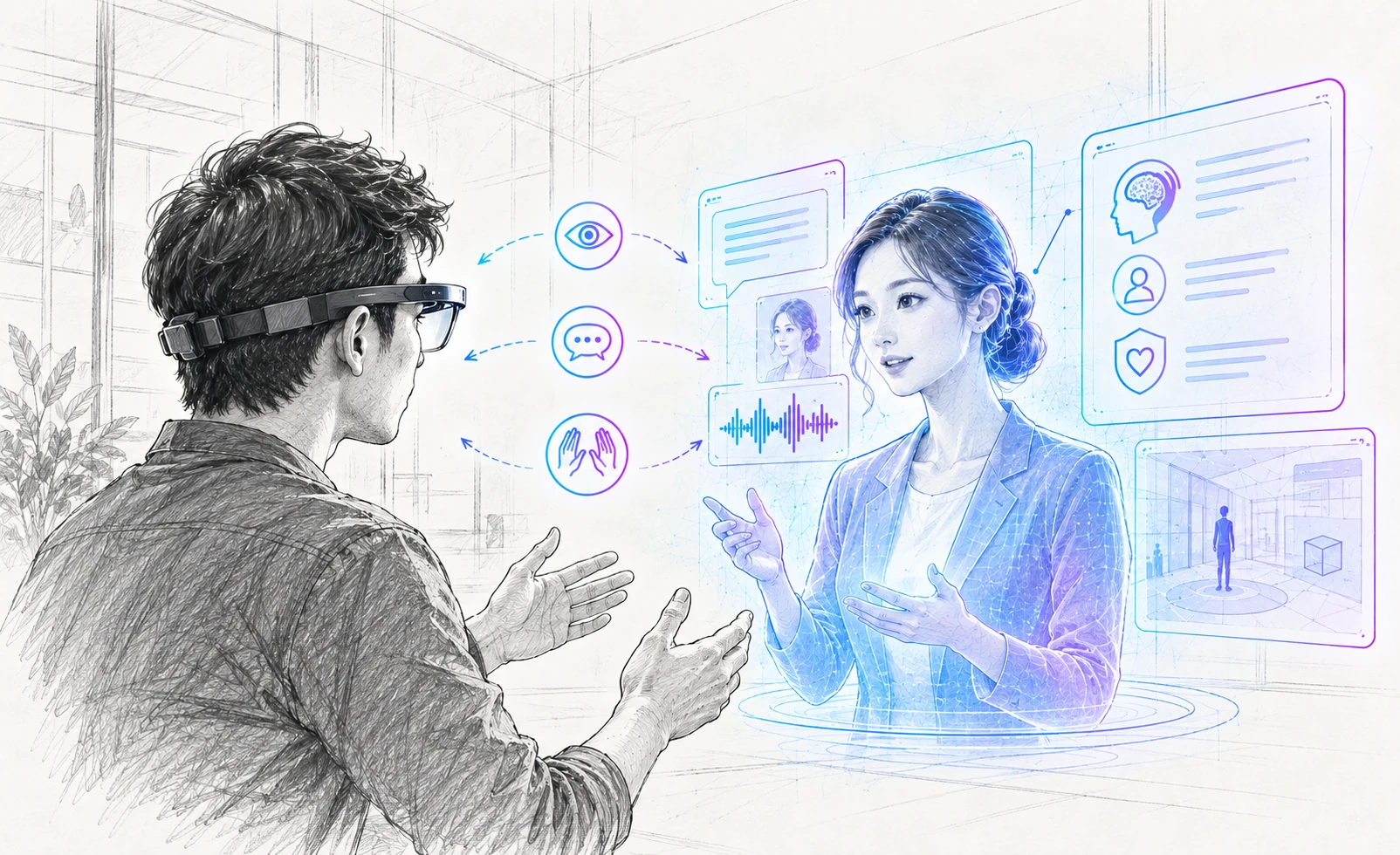
We study embodied agents, avatars, and AI-mediated interaction, including how appearance, behavior, personality, and responsiveness shape trust and social experience.

We study how people perceive, interact, communicate, learn, and make decisions with emerging immersive and intelligent technologies.
At HXIL, “X” represents the evolving counterpart of human interaction—from extended reality and intelligent agents to machines, environments, and other people.
X is the variable. Human is the constant.
Across these changing forms of interaction, we design and study technologies that augment human capability while preserving human judgment, agency, and experience.
Six interconnected themes define our research across immersive computing, human-AI interaction, and intelligent environments.
01We study embodied agents, avatars, and AI-mediated interaction, including how appearance, behavior, personality, and responsiveness shape trust and social experience.
 02
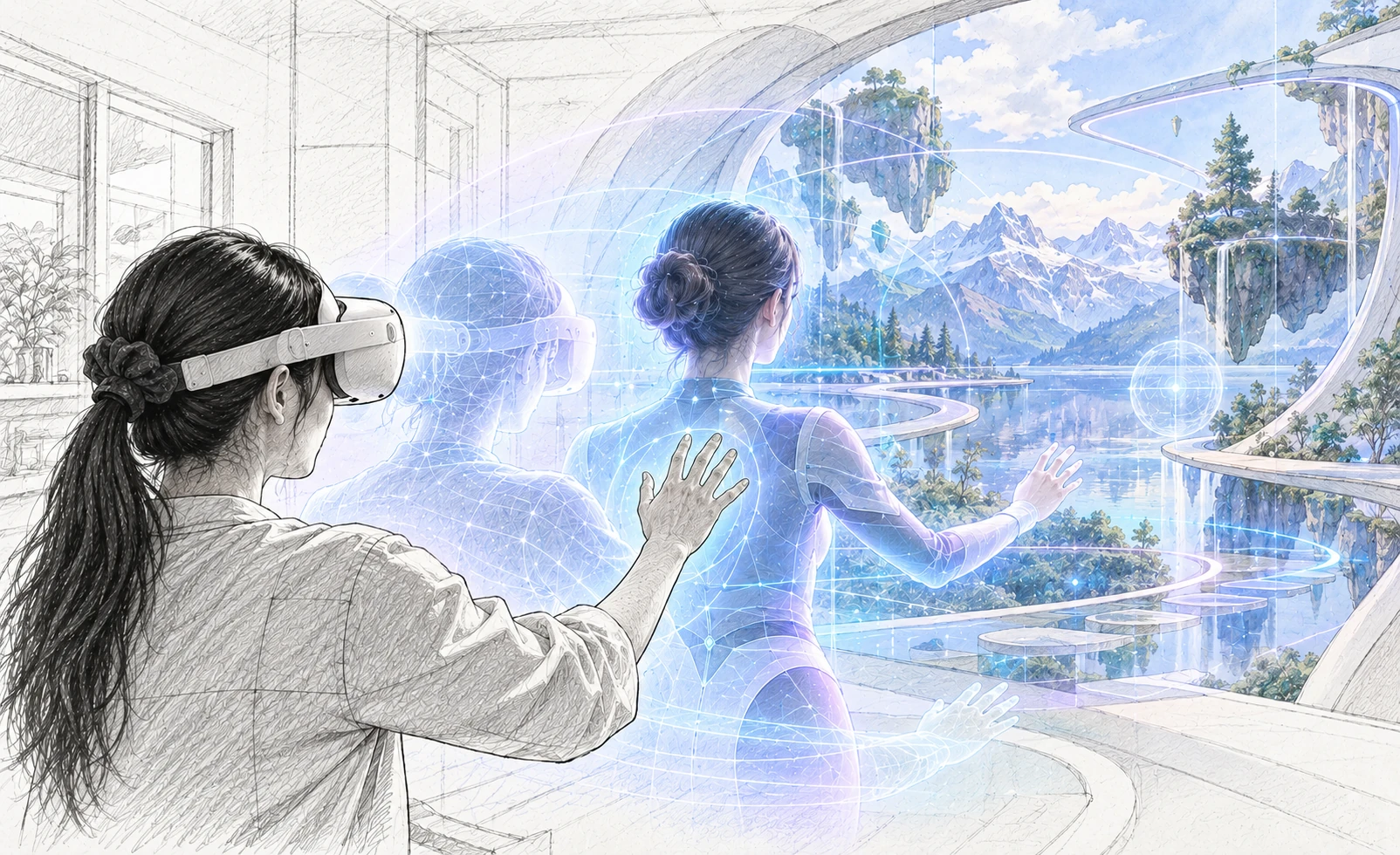
02We investigate how people perceive and experience immersive environments, with a focus on embodiment, spatial perception, social presence, and human behavior.
 03
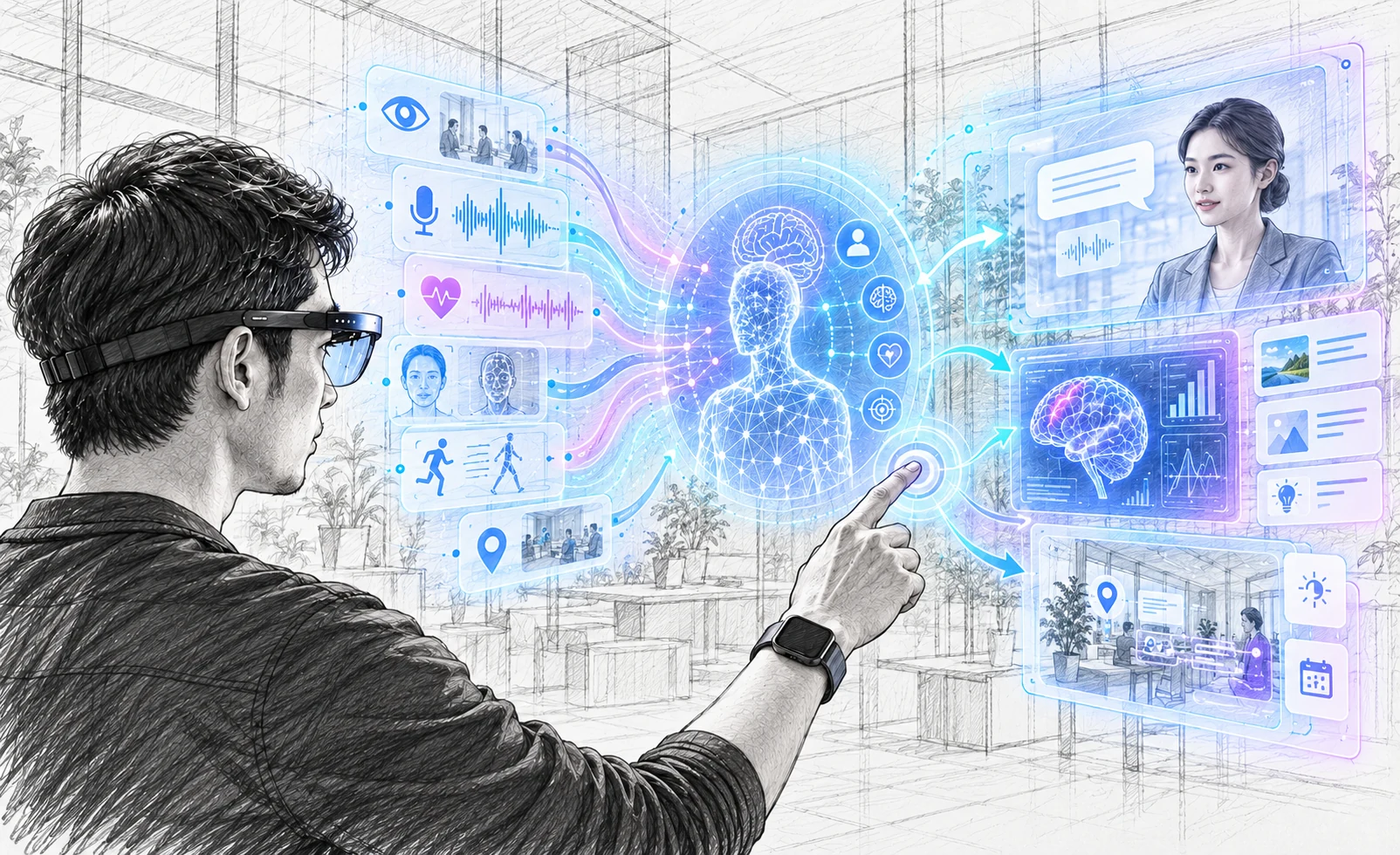
03We combine multimodal sensing, user modeling, and adaptive interaction to create interfaces that understand and respond to people, tasks, and context.
 04
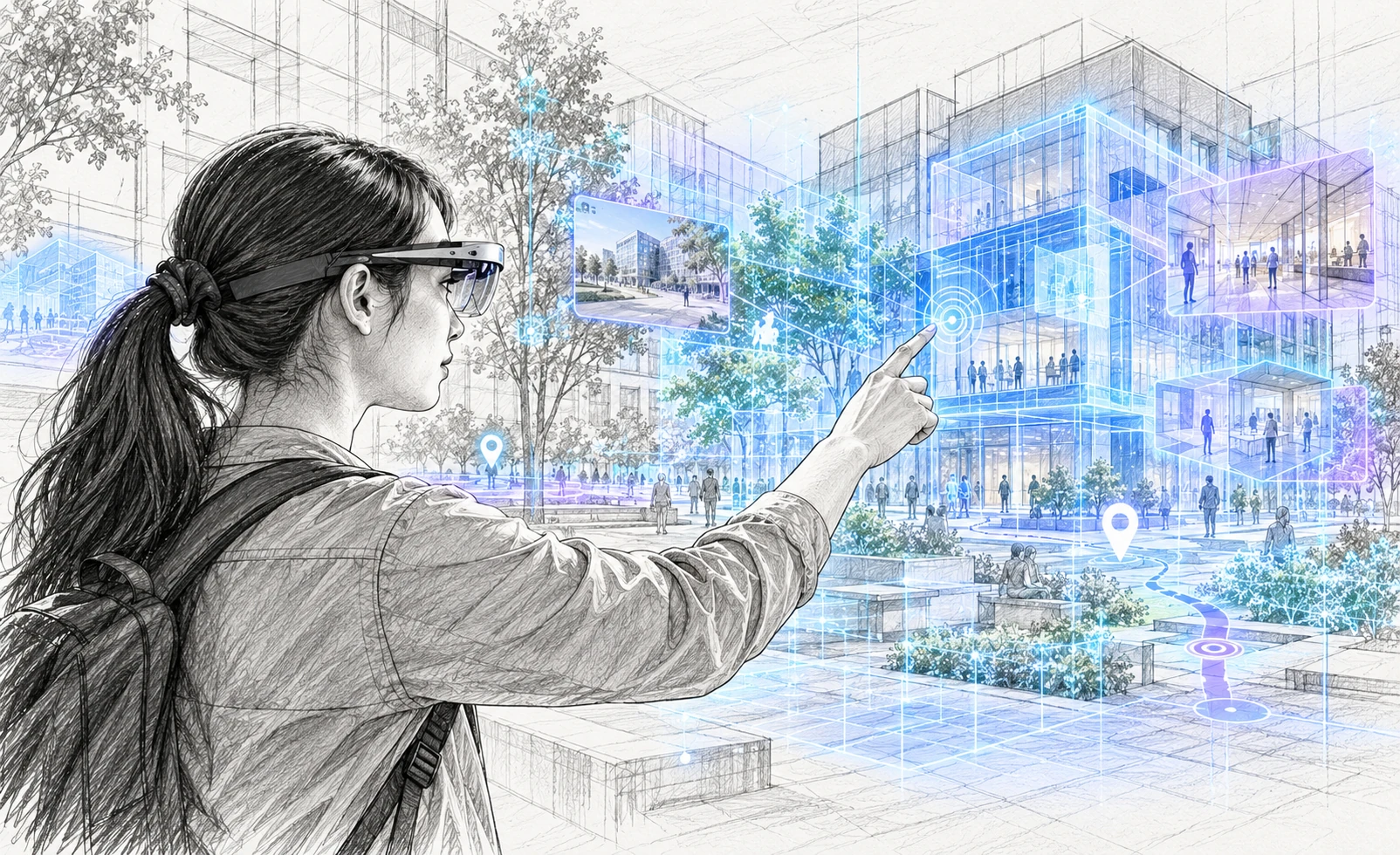
04We design context-aware AR, VR, and MR interactions that connect physical and virtual environments and make immersive computing more natural, situated, and useful.
 05
05We design AI-enabled systems that support human judgment, learning, and decision-making while preserving agency, meaningful control, and appropriate reliance.
 06
06We connect immersive interfaces, AI, analytics, and digital twins to help people understand, operate, train, and collaborate within complex physical systems.
We translate foundational interaction research into technologies for people, teams, and complex real-world settings.
Avatars, virtual humans, social presence, remote communication, and relationships with intelligent agents.
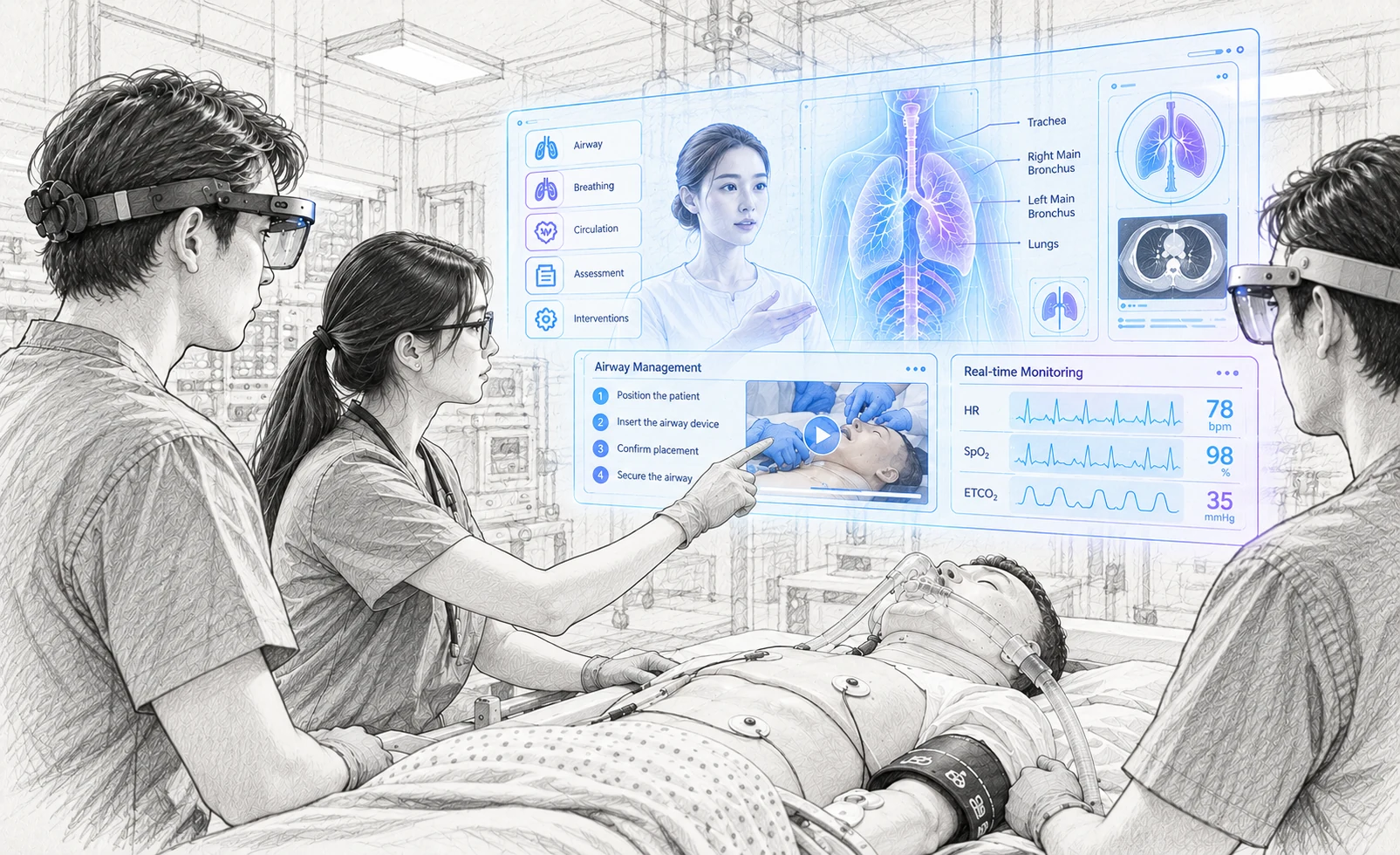
Clinical decision support, resuscitation, immersive simulation, palliative care, maternal health, and health equity.
Immersive experiences and intelligent agents that support stress recovery, reflection, connection, and psychological wellbeing.
Immersive learning, pedagogical agents, simulation-based education, public engagement, and skills development.
Digital twins, safety, monitoring, training, operations, and knowledge transfer in complex technical environments.